
Active project / Concept
MUSEIS
Every new digital guide should add to a museum’s publishing capability, not start another one-off project.
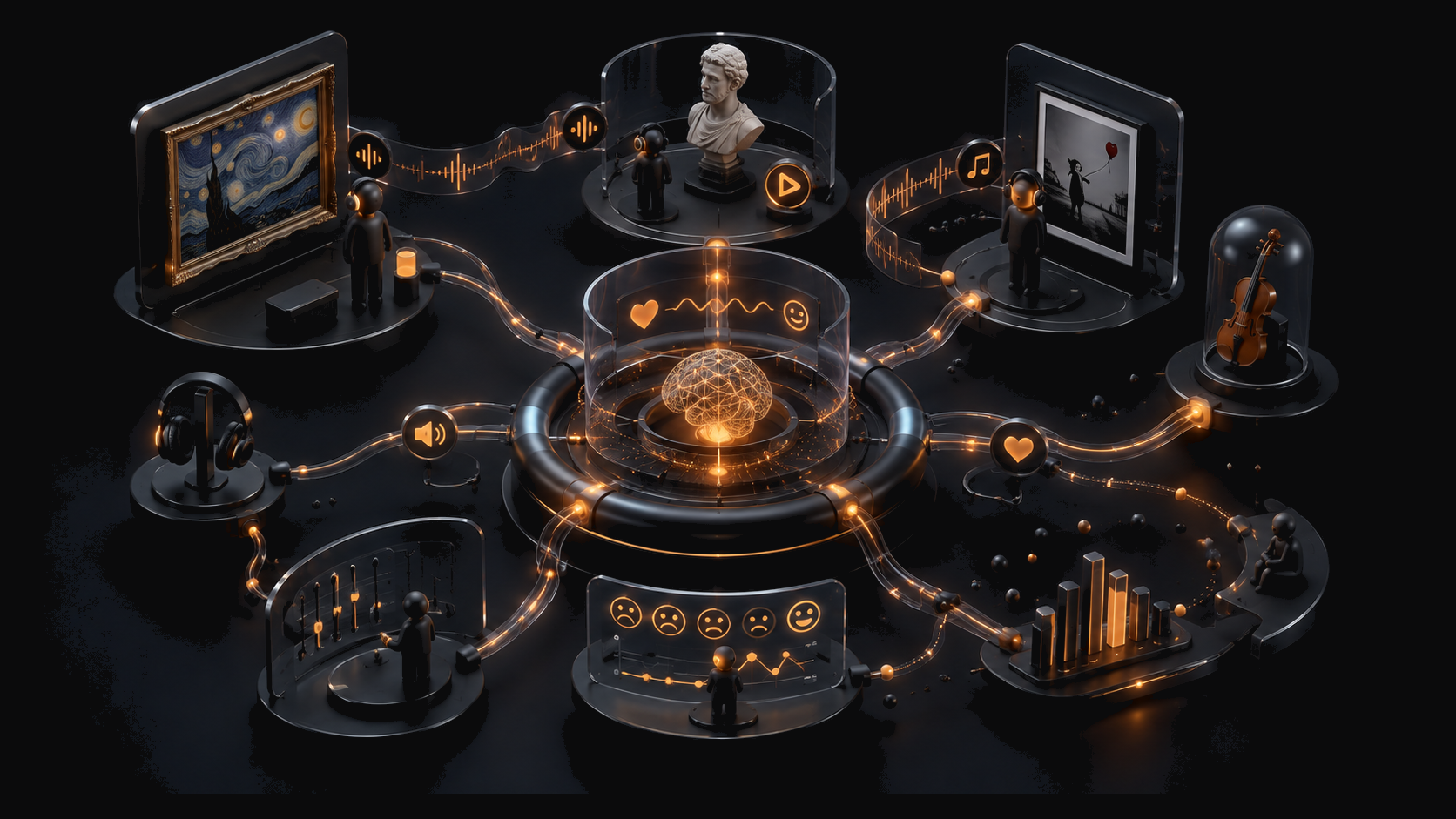
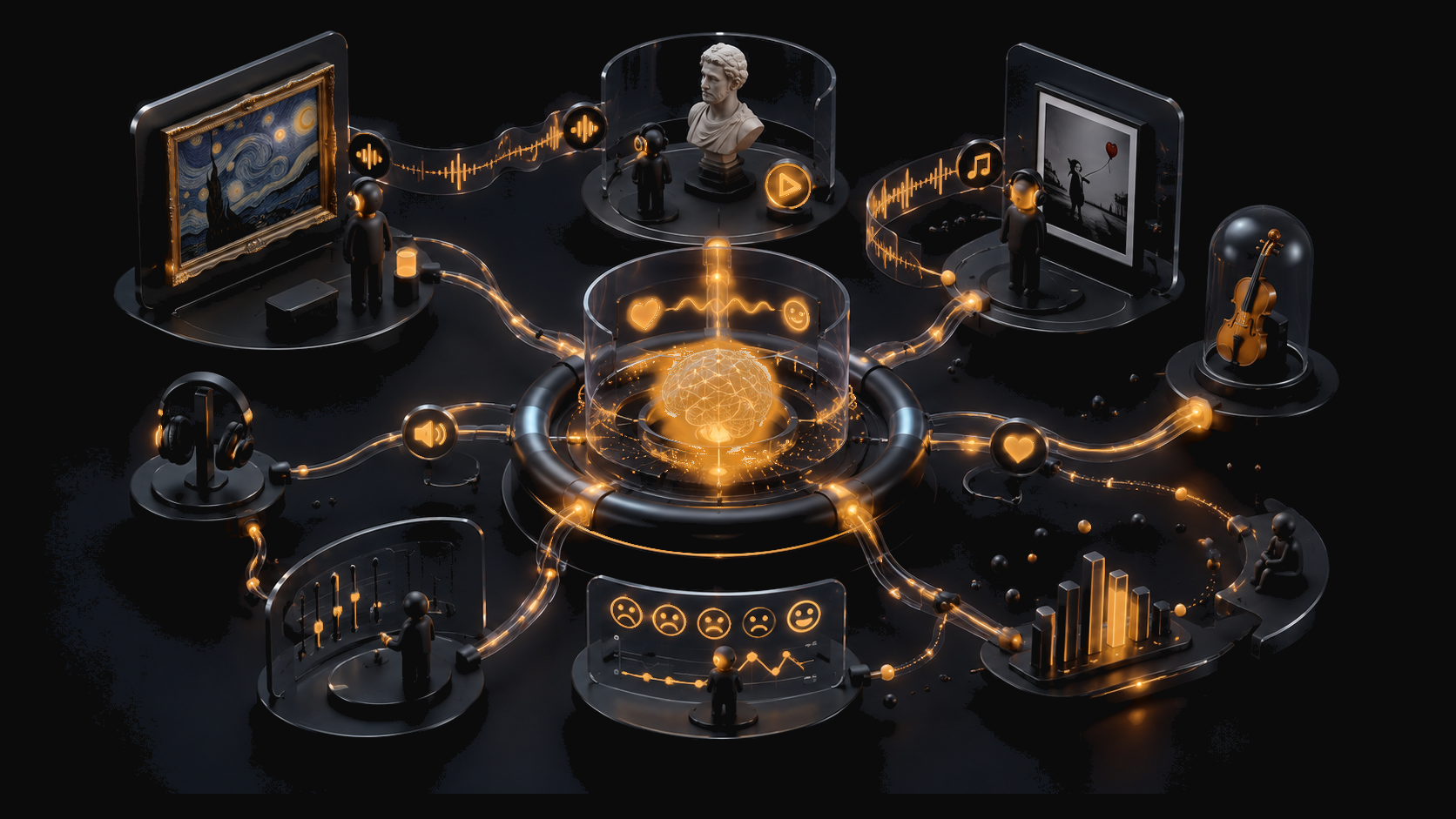
MUSEIS is being defined as a shared system for structuring collections, composing digital tours and publishing visitor experiences across museums and cultural networks. One institution and one focused collection are needed to define the first useful implementation.
Museums hold the stories. Digital delivery keeps starting from zero.
Curators already hold the objects, knowledge and interpretation. The gap appears when that material has to become a visitor experience. A one-off digital guide may work for one exhibition, but it is difficult to update, reuse across stories or operate across institutions.
One content system can publish many museum experiences.
MUSEIS separates institutional content from the visitor-facing experience. Museum teams manage collections, narratives and media in a shared environment. Curators compose guided or exploratory paths. Visitors open the published guide through a QR code, without installing an app.
Participants
A multi-tenant content and storytelling environment designed for museums and cultural networks.
System outcomes
Connected modules
- 01Guide builder
Tours for exhibitions, rooms and collections
- 02Story engine
Guided, exploratory and hierarchical narratives
- 03Media management
Audio, video and interactive content
- 04Multi-tenant layer
Separate institutional spaces in one platform
- 05Usage analytics
Signals intended to inform later content decisions
- 01Onboard
Set up the institution, team and content structure.
- 02Compose
Connect objects, media and narrative paths.
- 03Publish
Create the visitor-facing digital guide.
- 04Access
Open the experience through a QR code.
- 05Refine
Review usage signals and update the story in place.
Feedback loopThe same content infrastructure can support the next exhibition instead of requiring another independent build.
The first artifact is one working collection guide, not a national network.
The product definition includes a publishing architecture, QR-based visitor entry and multi-tenant direction. A live museum guide and working editorial tool are not yet evidenced. The first artifact should test one collection from content entry to visitor access.
- 01 / StructureCollection content modelMuseum teams
Objects, rooms, exhibitions and interpretation follow one reusable structure.
- 02 / ComposeStory builderCurators and educators
A guided or exploratory path can be assembled from the same source content.
- 03 / EnrichMedia managementContent teams
Audio, video and interactive material remain attached to the story.
- 04 / PublishQR visitor deliveryVisitors
The guide opens in the visit without a dedicated application.
- 05 / ReviewUsage signalsMuseum operators
The pilot can define which visitor actions are useful for later editorial decisions.
First prototype scope
Next artifactOne collection publishing flow
The artifact is specified but no live museum implementation is documented.
- A focused collection with objects, interpretation and media
- One guided or exploratory visitor path
- QR entry and a mobile visitor view
- Curator workflow, accessibility and measurement review
- 01
Starting belief
Museum digitization should create reusable infrastructure.
The product thesis replaces isolated guide projects with a continuing content and publishing system.
Final MUSEIS project source - 02
Documented frame
Content, story and visitor delivery are treated as separate layers.
Guide building, media, QR access and multi-tenant operation form one architecture. No working deployment is documented.
Final project landing-page specification - 03
Scope decision
The first build should follow one collection end to end.
A focused guide can expose editorial, visitor and operating questions before a multi-institution rollout is planned.
Current pilot direction - 04
Next evidence
Build the publishing flow with a real curatorial team.
The concept advances when a museum can enter content, publish a guide and observe visitor access in one controlled setting.
Required pilot evidence
One publishing layer creates different value for curators, visitors and cultural networks.
Museums and curators
- One workflow for creating and updating digital guides
- Content that can be reused across exhibitions and visitor paths
- Less dependence on separate one-off builds
Visitors
- Direct access through a QR code
- More context around objects and exhibitions
- Guided or exploratory ways to move through a story
Cultural networks
- A shared technical foundation across institutions
- Separate spaces for each museum and team
- A route for smaller institutions to use the same system
The institutional use case is defined. Demand, procurement and price are not.
MUSEIS is intended for museums, galleries, cultural institutions and public-sector networks. The model includes a multi-tenant platform and no-app visitor entry, but no sourced market size, signed deployment, licence model, price or measured production saving is currently claimed.
- No appPlanned visitor entry
- Final MUSEIS project source
- QR-based access removes one step from the museum visit. Its effect on use still requires observation.
- Multi-tenantPlatform direction
- Final MUSEIS capability definition
- The architecture is intended for more than one museum or exhibition.
- One collectionUseful first validation scope
- Current project evidence plan
- A narrow content set can test the full publishing flow before network claims.
- No deploymentCurrent evidence constraint
- Local website materials
- Editorial effort, visitor use and institutional operations remain unproved.
- Primary buyers
- Museums, cultural institutions and public networks
The institution owns the content and visitor setting while curators and content teams operate the publishing workflow.
defined - Delivery model
- Shared multi-tenant publishing platform
The product direction supports separate institutional spaces on one technical foundation.
defined - Revenue model
- Not specified in current materials
Licence, implementation, hosting and content-service responsibilities still need commercial definition.
open - Procurement and pricing
- To be tested with the first institution
Working price, budget owner, procurement path and measured cost comparison still need validation.
open - Funding path
- Pre-seed build and first deployment
Early funding is intended to support the working guide and initial evidence cycle.
planned
The concept advances when one museum can publish and operate a useful guide.
Validation gate
One collection can move from curatorial source to visitor use inside the shared workflow.
Gate not yet passedWhat must be true
- to agreeEditorial fit
A curatorial team can structure content and publish a guide without rebuilding the delivery layer outside the product.
- to agreeVisitor access
Visitors can open, understand and move through the guide on the agreed devices and in the real museum setting.
- openInstitutional operation
Roles, publishing approval, updates and content ownership follow rules the museum accepts.
- openMeasurement boundary
The museum agrees which usage signals are useful, proportionate and privacy-safe before collection begins.
SKWD can build the publishing layer. The museum must bring the first real story.
SKWD carries in
- The guide, story, media and multi-tenant product architecture
- XR content workflows and product design for visitor-facing delivery
- An evidence model that separates a working guide from engagement claims
This venture adds
- One collection content model and curator workflow
- A QR-based visitor guide with guided or exploratory navigation
- Institutional roles, publishing rules and a measurement frame
External proof needed
- A museum, gallery or cultural network with a focused collection
- A curatorial team and accountable institutional owner
- A real visitor setting plus accessibility and privacy review
Next step
Turn one collection into the first working guide.
Bring a focused exhibition, curatorial team and visitor context. We will agree the publishing artifact and validation gate before planning a wider institutional rollout.
MUSEIS is a concept in development. Its architecture and pilot direction do not represent a completed deployment, contracted museum network, measured visitor outcome or proven commercial model.