
Active project / Beta
Clockworks Time & Work Management
A working internal product now being validated through the way SKWD actually works.
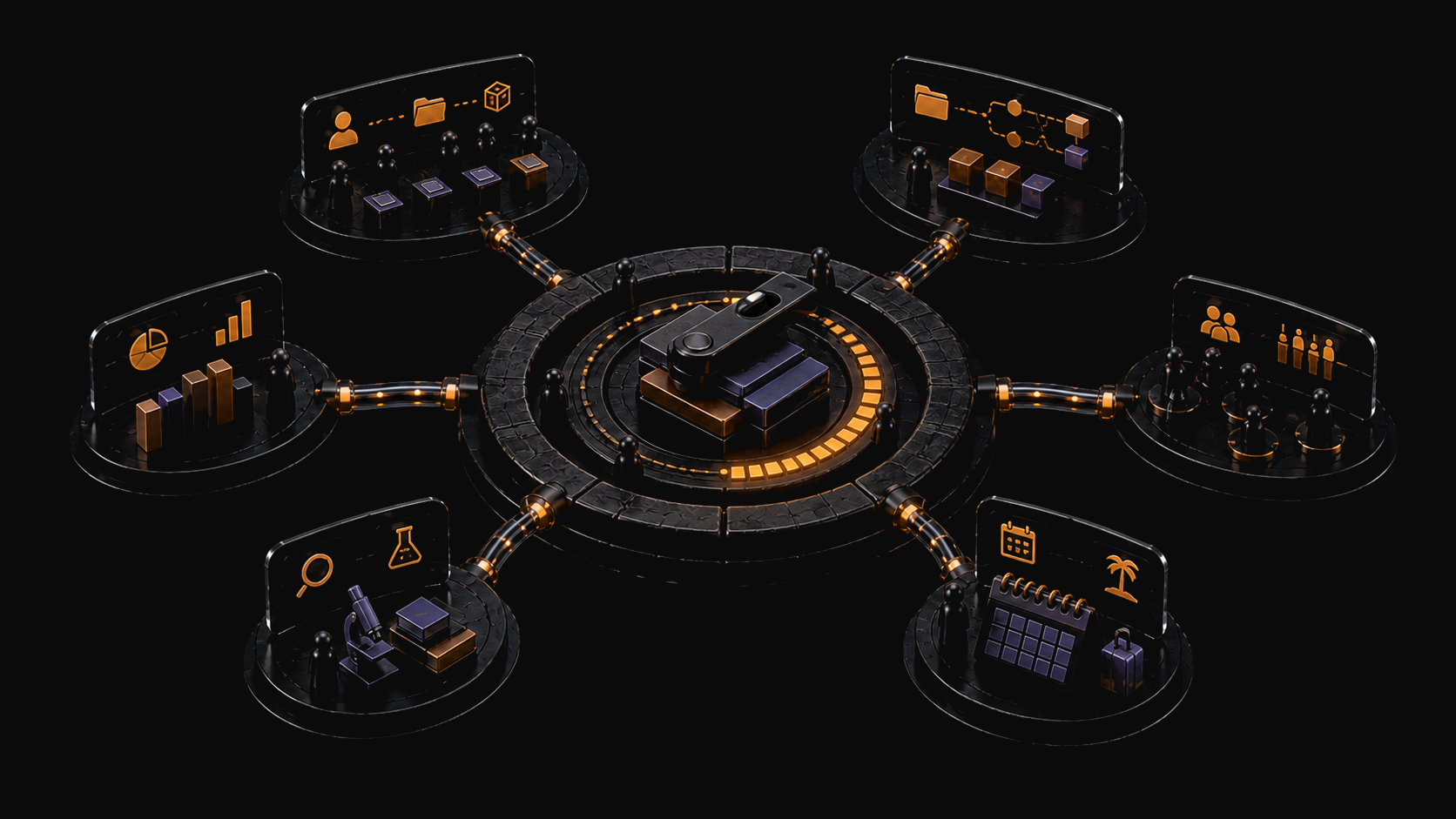
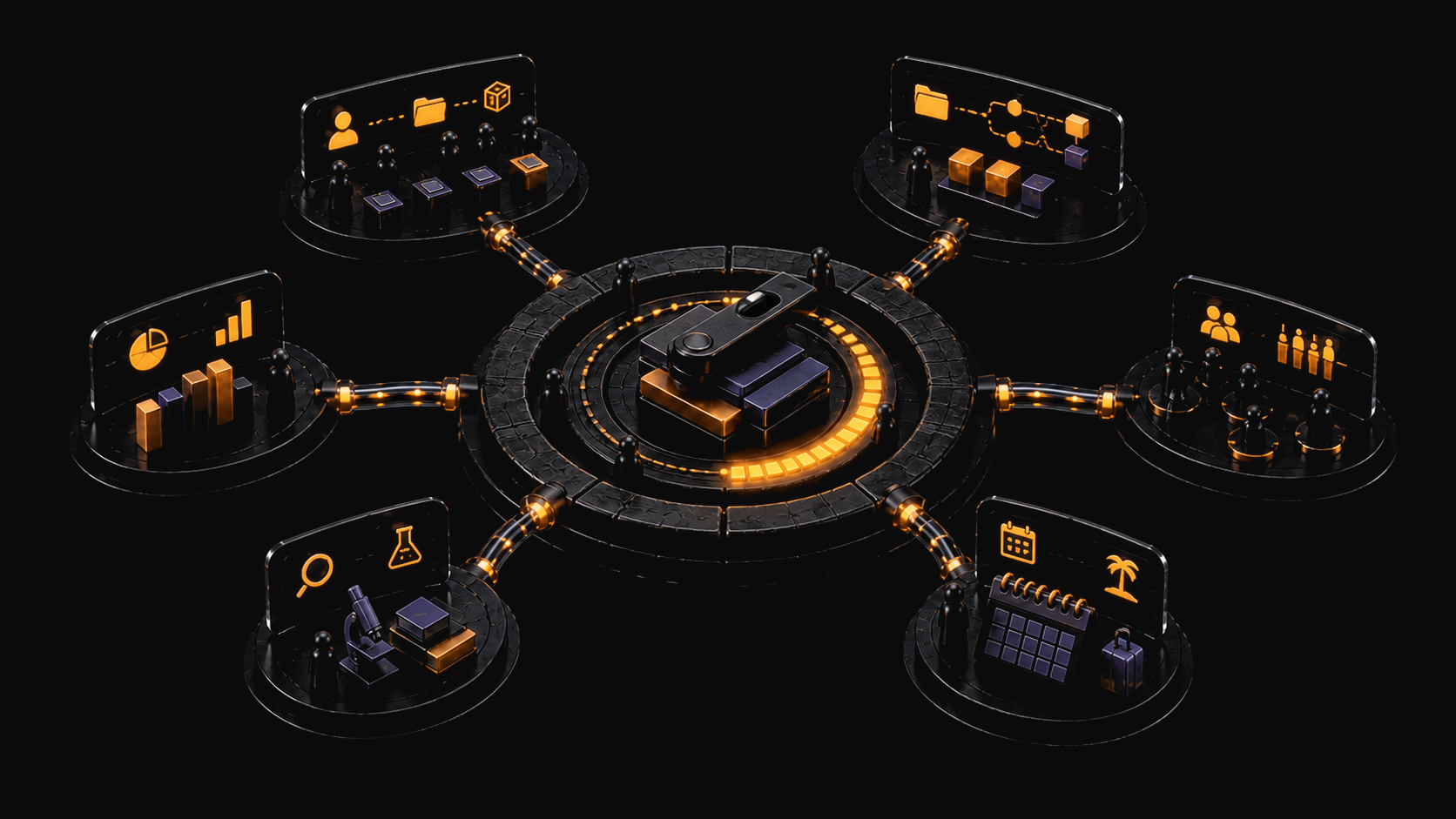
Clockworks records project hours, scopes, activities and time off for SKWD's own operations. Its current phase is Validate: internal use is testing whether the workflow and reporting model remain useful and reliable over time. It is not offered for sale, and external productization is not part of the current validation.
General time trackers do not preserve the context of research-heavy project work.
SKWD needed one reliable record of project work, research activity and time off. The challenge was not a lack of time-tracking products. It was finding a model that matched the studio’s own scopes, activities and reporting logic without forcing the work into generic categories.
Clockworks follows SKWD's operating model instead of serving a general market.
The product connects time entry, project and activity context, reporting and absences around the way SKWD organizes its own work. That specificity is the product boundary, not a temporary limitation waiting for commercialization.
Participants
An internal work-record layer shaped around SKWD's project delivery and research practice.
System outcomes
Connected modules
- 01Time records
Entry by project, scope and activity
- 02Reporting
Filters and exports for internal review
- 03Time off
Absence and calendar context
- 01Record the work
A team member connects time to the relevant project, scope and activity.
- 02Review the context
Project and administrative views turn those records into an internal operating picture.
- 03Use the record
SKWD applies the information to its own project, research and time-off workflows.
Feedback loopInternal fit is the success condition. Transfer to a general customer workflow is not a current objective.
The working product is in use inside SKWD.
Clockworks supports the internal scope it was built for: recording time by project and activity, reviewing the records through filters and exports, and keeping time-off and calendar context. Historical backlog items document ideas considered during development. They are not a public roadmap and do not make the chosen product scope unfinished.
- 01 / RecordProject and activity time entryTeam member
Work retains its delivery or research context
- 02 / ReviewFilters and exportProject lead or administrator
One internal reporting record
- 03 / CoordinateTime-off and calendar contextTeam and administration
Absence stays connected to operating context
Completed internal artifact
Artifact availableClockworks operating product
The working product is used inside SKWD. Its purpose is internal fit, not market availability.
- Project, scope and activity time records
- Filters and exports for internal review
- Time-off and calendar context
- 01
Starting belief
A useful work record must reflect how the studio actually works.
Generic time categories did not preserve enough context for project delivery and research activity.
Internal product rationale - 02
Operating evidence
SKWD uses Clockworks for its own needs.
The product has a real internal role rather than a proposed commercial one.
Current SKWD operating decision - 03
Product decision
Validate Clockworks as an internal product.
It is not offered for sale or positioned as a general SaaS product during this phase.
Current SKWD operating decision - 04
Next evidence
Keep testing the workflow through real internal use.
The validation should show whether records remain reliable, reporting remains useful and the chosen product boundary holds over time.
Validate phase
Clockworks is testing value through internal fit, not market reach.
Team members and consultants
- Record work with the project and activity context intact.
- Keep research and delivery work inside the same operating record.
Project leads
- Review allocation without reconstructing it from separate tools.
- Use a consistent source for project and research reporting.
SKWD operations
- Connect work records, time off and calendar context.
- Keep the tool aligned with the studio’s own operating model.
No commercial model is planned for Clockworks.
The time-tracking category already contains many general products. Competing in that market would require Clockworks to become broader and less specific, while its current value comes from matching SKWD’s research-heavy operating model. The product therefore stays internal.
- Current role
- Internal SKWD product
Clockworks supports the studio’s own project, research and time-off records.
defined - Availability
- Not for sale
There is no public subscription, license or client deployment offer.
defined - Productization
- Not planned
A crowded category and a highly specific internal workflow do not justify a general-market version.
defined
- Internal useOperating evidence
- Current SKWD operating decision
- Clockworks fulfills a real role inside the organization it was designed for.
- No sales trackCommercial decision
- Current SKWD operating decision
- Internal usefulness is not being turned into an external demand, pricing or market claim.
Internal use is the validation setting for Clockworks.
Validation gate
Clockworks remains useful, reliable and appropriately scoped through sustained internal use.
Validation in progressWhat must be true
- metOperational fit
Confirm that project, activity and absence records continue to support day-to-day work.
- openReporting value
Review whether filters and exports provide reliable context for project and research work.
- to agreeProduct boundary
Keep the internal scope explicit and review changes against real SKWD needs.
Use sustained internal evidence to complete the validation decision.
SKWD carries in
- A working internal product shaped around SKWD project and research operations.
This venture adds
- A validation record for workflow fit, reporting usefulness and scope decisions.
External proof needed
- Consistent use, an accountable internal owner and explicit criteria for accepting or rejecting product changes.
Next step
Discuss a similar internal-tool decision.
If a specialized workflow does not fit off-the-shelf software, SKWD can help define whether to configure, integrate or build an internal product.
Clockworks is a working internal product in Validate, not a product for sale.
This page documents why SKWD built the product, how it is being tested through internal use and why external commercialization is outside the current scope. It does not advertise access to Clockworks or claim external users, pricing, revenue or market traction.
Clockworks is a working internal SKWD product in the Validate phase. It is not offered for sale, licensing or external deployment, and this project record makes no claim of external demand, revenue or market traction.